Swim Lessons

What your child will learn ISR’s unique results are achieved through fully customized, safe and effective, one-on-one lessons with only your child and the Instructor in the water. What your child will learn, and the way he or she will learn it, is what makes ISR so different from traditional swimming lessons. Always putting safety first, ISR emphasizes competence, which leads to confidence, and provides the foundation for a lifetime of enjoyment in and around the water.
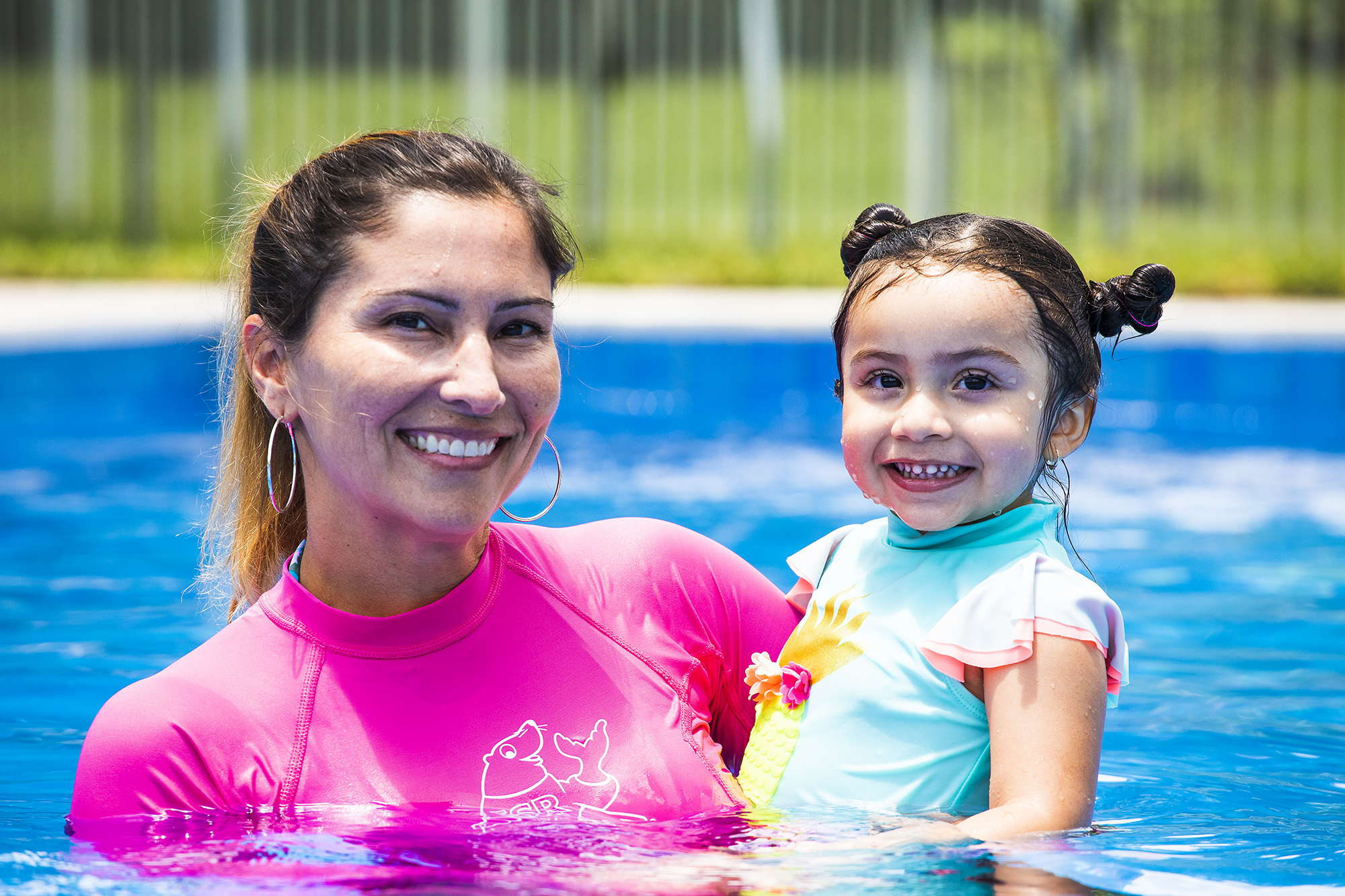
One-on-One Survival Swim Instruction

Every child is unique. Our individualized, private ISR lessons are tailored to your child's unique needs, pace, and personality. We provide focused attention on your child, helping them learn self-rescue skills step-by-step while building confidence as they go!

Refreshers for Returning Swimmers

Children grow and develop rapidly during early childhood, and their swim skills need to adjust as they grow. Refresher lessons are shorter sessions, designed for students who have already completed ISR lessons and need to keep their skills fresh. These classes reinforce their survival skills, adjust for growth and changes in their proportions, and keep your little one confident and capable in the water year after year.

Maintenance Lessons for Practice

Maintenance lessons provide continued practice for children following their initial ISR lessons. Regularly scheduled weekly or even monthly lessons help keep your child's skills fresh while supporting long-term confidence and safety. Contact us to see what maintenance schedule makes sense for your little one!

Rollback to Float - ages 6 months to 12 months

All students, even those as young as 6 months old, learn the fundamental ISR skill of rolling onto their backs to float, rest, and breathe. Infants and toddlers who are not yet walking well will learn to maintain this position until help can reach them, and it's just as important for our older students as they incorporate more swimming skills.

Swim-Float-Swim - ages 12 months and up

As toddlers and young children gain more physical skills on land, they are ready to learn more skills in the water as well. ISR teaches children to swim a short distance, rotate onto their back to a floating position, and then turn over to continue the sequence of swimming and floating until they can reach safety at the steps, side of the pool, or shoreline.

FAQs
Will my child fear the water because of lessons?
There is an important difference between being fearful and being apprehensive because you are not yet skilled in a new environment. ISR is not like traditional swim lessons; it is a drowning prevention program that teaches survival swimming. Sometimes as a parent, you make choices for your child’s safety, like sitting in a car seat, because you know they are important. The same can be said for ISR. Fun can be defined as when skill meets challenge. Once competent in their skills, many children cannot be dragged away from the pool. They are having entirely too much FUN.
What is the American Academy of Pediatrics position on swimming lessons for young children?
The AAP encourages parents to consider that starting water-survival skills training at an early age must be individualized, based on the child's frequency of exposure to water, emotional maturity, physical limitations and health concerns related to swimming pools. You can view their policies and suggestions through the AAP website here: https://www.healthychildren.org/English/safety-prevention/at- play/Pages/Swim-Lessons.aspx
Is it the baby fat that makes them float?
Actually, the primary factor in a baby’s ability to float is the ability to take air into the lungs. To maintain this access to air, the child must adjust his/her posture. The difference in positioning for an adult can be inches. For a baby, this adjustment is reduced to centimeters. If a child’s body posture is just a few centimeters off, it can make the difference between the face being submerged or the child having access to air.
Can’t babies swim naturally?
Unfortunately, babies cannot naturally swim. If this were the case, there wouldn’t be so many drownings every year. According to the Center for Disease Control and Accident Prevention, drowning is the leading cause of accidental death for children ages 1-4 in the United States.

Reach out today

Contact us to learn more about our offerings.